-
 Contact our consultants on Skype
 (+216)21 280 051 / 72 267 258 / 29 795 793
 Available from 09h to 21h every day







Crafts in Tunisia


The history of Tunisian handicrafts is intimately connected to events that have shaped the civilization of the country. Hence the variety of its products.
You will be spoiled for choice, so numerous are the crafts that you will be presented in the souks.
Copper objects
Plates with engraved inlays, ashtrays decorated, traditional utensils, vases.
Objects in olive wood
Kitchen items, décor, statues, vases, chess, checkers, dominoes.
Leather goods
Purses, bags, clothes, cushions, slippers, masks.
Ceramics, porteries, blown glass
The gatehouse traditional Nabeul resembles in many respects to former porteries aghlabides. There are at least the usual colors like brown and green glazed yellow background. The reasons are often rustic and linear. Nabeul but is also known for its earthenware polychrome. A porter comes from more archaic Guellala famous pottery village on the island of
Djerba.
Dolls and traditional clothing POTTER Guellala
Djellabas, embroidered vests, harem pants, bathrobe ....
Bird Cages
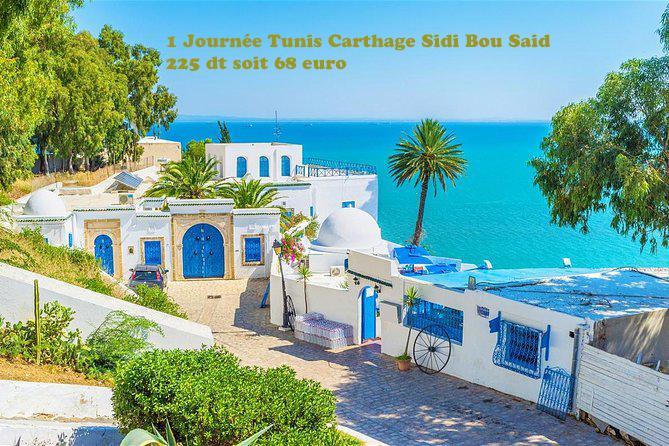
Ironwork blue of Sidi Bou Said
From Sidi Bou Said, they are olive groves
natural or painted in blue and white (color of their hometown).
Basketry in cane or alfa
Mats, baskets, mats, baskets.
Carpets of wool or silk
Tunisian carpets are world famous. The klims mergoums and are also very beautiful. Their motives are typically local. The quality of the carpet is strictly controlled by the ONAT (The National Office of Tunisian handicrafts) and the back of each carpet must be checked the stamp of government guarantee.
- Tours in Tunisia on the map
- Booking :
- Booking Thalasso in Tunisia
- Excursion & parties in Tunisia
- Rent a villa with pool
- Restaurants in Tunisia
- CIRCUITS IN TUNISIA
- Archaeological tour
- Cultural Tour
- Oasis Beach & Circuit
- Any circuit Tunisia
- Individual circuit 4X4
- INFO ABOUT TUNISIA
- History of Tunisia
- Culinary Art in Tunisia
- Crafts in Tunisia
- Museums in Tunisia
- Tunisian currency
- PRODUCT & SERVICES
- Medical care
- On the tourism business
- Art Fairs
- Seminars & Congress
- Comments & suggestions